Norfolk Southern identified the need to optimize their Transit Performance products within the NS Suite. The goal was to offer a more intuitive, user-friendly platform that allows customers to assess lane performance and improve on-time shipment estimates.
The Problem
Before our involvement, Norfolk Southern’s customers had limited visibility into the performance of their lanes, which affected their ability to predict potential delays and make informed decisions. The process was disjointed, with data scattered across various sources, and there was no unified platform for assessing the critical factors influencing the efficiency and reliability of rail transportation.
Capacity: Transit systems often face challenges related to capacity, such as overcrowding during peak hours or insufficient capacity to accommodate growing demand.
Safety: Transit performance can also be impacted by safety concerns, such as accidents or incidents that disrupt service
Funding: Transit systems require significant funding to operate and maintain, and securing funding can be a challenge for many systems.
Infrastructure: The condition of transit infrastructure, such as tracks, signals, and stations, can impact the reliability and efficiency of service.
Some technical constraints we encountered included integrating data from various sources, ensuring data security and compliance with industry regulations, and the need for a robust and scalable architecture.
Integration: Transit systems often need to integrate with other transportation modes, such as buses, trains, and airports, to provide a seamless experience for users. This can present challenges related to scheduling, routing, and ticketing.
Reliability: One of the biggest challenges in transit performance is ensuring reliable service. This includes factors such as on-time performance, frequency of service, and consistent routing.
Technology: The integration of technology, such as real-time tracking and payment systems, can improve transit performance but can also present challenges related to implementation and maintenance.
Visibility: Improving the visibility of transit performance information for end users or optimizing the display of information for site operations managers.
PROCESS
The UX design process involves research, design, testing, and iteration to create effective and user-friendly digital products or services.
The design process for the Transit Performance Redesign project followed a structured timeline, encompassing several phases, including research, defining user needs, ideation, design, and prototyping. The timeline is as follows:
Approach
We began by diving deep into Norfolk Southern’s data ecosystem. We conducted interviews with key stakeholders, analyzed the company’s existing processes, and reviewed competitor systems.
The research on competitors like FedEx, UPS, Maersk, and DHL revealed that leading shipping companies provide real-time tracking, proactive notifications, and detailed shipment status updates to enhance customer experience. These tools integrate data sources such as GPS tracking, shipment scans, and historical performance to provide customers with accurate, up-to-date information and the ability to manage shipments effectively.
FedEx offers "FedEx Insight," a tool that provides real-time shipment tracking and proactive notifications about delays or issues. It uses GPS tracking, package scans, and service performance data to ensure customers receive accurate and timely information about their shipments.
UPS’s "UPS My Choice" allows customers to track shipments in real-time, view history, and receive notifications about delays. The tool also enables users to change delivery instructions or reroute shipments as needed.
Maersk's "Maersk Line E-Tracking" platform provides real-time tracking of cargo by integrating data from GPS tracking devices and shipping vessels. Customers can monitor their shipments, receive status updates, and get notifications of any delays or issues.
DHL’s "DHL Express Tracking" allows customers to track shipments in real-time and view status updates, as well as estimated delivery times and transit durations based on historical performance. Customers are also notified of any delays or issues with their shipments.
User Interviews:
User interviews with nine clients revealed key pain points and needs, including the need for real-time tracking, on-time performance evaluation, cost management, reliability assessment, and compliance tracking. These insights were essential in shaping the design and feature development of the Transit Performance platform.
Mason Turner - Logistics Coordinator
“In this business, every minute counts. A platform that keeps me updated in real-time? That’s a game-changer.”
Emily Rodriguiez - Supply Chain Analyst
“Data is my compass. Give me a platform with robust analytics, and I can steer us toward success.”
Taylor Bennett - Compliance Officer
“Compliance isn’t just a checkbox; it’s the backbone of ethical operations. We need a platform that ensures we’re always on the right side of the rules.”
Jordan Lewis - Operations Specialist
"Shipments are like life – unpredictable. A platform that lets me reroute on the fly? That’s the kind of flexibility we need.”
Key insights included:
1. Clear communication was a top priority for Tyler and other users.
2. Travelers wanted real-time updates on their refund status.
3. Simplicity and transparency were crucial to reducing user frustration.
Market Research:
We analyzed the refund policies of major airlines, including American Airlines, Delta Air Lines, and Southwest Airlines, to identify best practices and industry standards.
We also reviewed regulatory guidelines to ensure compliance and consistency with legal requirements.
Solution
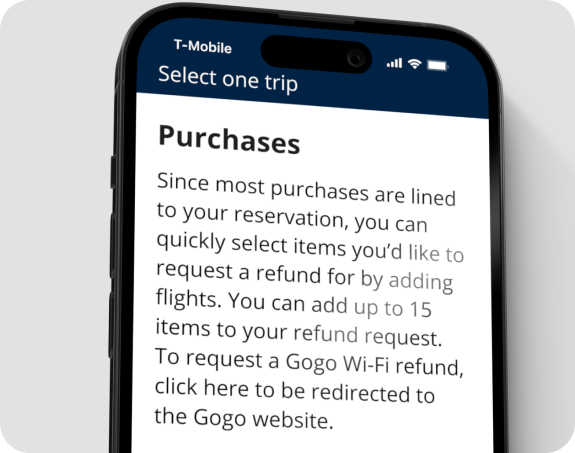
Armed with these insights, we set out to redesign the refund process with Tyler’s needs in mind. The goal was to create a seamless, straightforward experience that would be easy to navigate and provide clear, real-time information. We introduced several key features to enhance the user experience:
Clear and Accessible Refund Policy: We simplified the language of the refund policy and made it easily accessible on the website and mobile app. A straightforward eligibility checklist was added, helping travelers like Tyler quickly determine their refund eligibility.
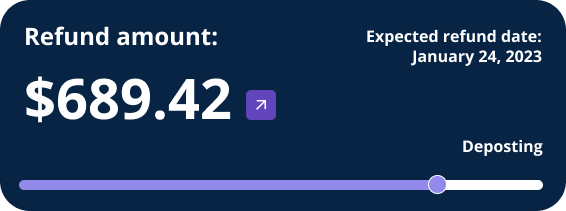
Real-time Refund Status Updates: Tyler could now track the status of his refund in real-time through a progress bar and receive automated email or SMS notifications at different stages of the process. This eliminated the need for constant check-ins and provided him with peace of mind.
Results
After launching the redesigned refund process, we saw significant improvements. Tyler and other frequent flyers reported higher satisfaction due to the clarity and transparency of the process. The real-time tracking and improved communication reduced anxiety and confusion, while the mobile-optimized platform made it easier for travelers to manage their refunds on the go. The overall refund request completion time decreased, and customer service inquiries related to refunds also saw a noticeable drop.
40%
Customer satisfaction
Post-launch surveys showed a 40% increase in customer satisfaction related to the refund process.
40%
Customer satisfaction
Post-launch surveys showed a 40% increase in customer satisfaction related to the refund process.
40%
Customer satisfaction
Post-launch surveys showed a 40% increase in customer satisfaction related to the refund process.
40%
Customer satisfaction
Post-launch surveys showed a 40% increase in customer satisfaction related to the refund process.
United Airlines successfully transformed a painful process into a user-friendly experience, improving both customer satisfaction and operational efficiency.
Key Learnings
This redesign showed us the power of clear communication and real-time updates in creating a seamless experience for travelers like Tyler. By simplifying the process, reducing complexity, and focusing on user needs, United Airlines not only met the expectations of frequent flyers but also built a more efficient and transparent refund system for all passengers.
Would you like to know more about this case study?